Former Pakistan fast bowler Mohammad Amir said on 4 August 2026 that he does not yet know whether he will play in the Indian Premier League, one day after acquiring British citizenship that opened his eligibility to be signed as an overseas player by an IPL franchise.
Speaking to reporters, Amir kept the door open on the IPL without committing either way, the same afternoon that he separately confirmed he will appear in the Pakistan Super League as an overseas player from the 2027 season. The contrasting signals are the clearest he has given since speculation began about whether his change of nationality would, on its own, make him available to the world’s most-watched T20 league.
What Amir actually said, and what he left unsaid
On the IPL specifically, Amir was direct about the uncertainty. “I don’t know yet whether I will participate,” he said, declining to confirm or rule out a registration for the next IPL auction cycle. The phrase matters because, until this week, the question was theoretical. Pakistani cricketers have not been available for the IPL under the league’s standard overseas-player rules, and Amir’s international retirement after the 2024 T20 World Cup had removed him from the broader selection frame.
His wife Narjis Khan, a British national, is the route through which the change in eligibility was made. Confirming British citizenship on 3 August 2026 changed Amir’s paperwork status, not his bowling action or his recent form, but it did open two commercial markets at once: the IPL and English domestic franchise cricket. Amir is already playing in one of those markets. He is representing Trent Rockets in The Hundred in 2026 as a domestic player, having previously appeared for Nottinghamshire’s Notts Outlaws in the T20 Blast under the same classification.
Why the citizenship route is what made this question real
The IPL treats overseas players on nationality, not on residential status. A player who is not an Indian citizen and is not a citizen of a country that has full bilateral cricket relations with the BCCI is treated as overseas for salary-cap and squad-composition purposes. Pakistani cricketers, under the existing framework, fall into the category of players who cannot be bought at auction. Amir’s British passport places him in a different bucket, and that change is what turned an abstract rumour into a question with a real answer window.
The change does not remove every gate. An IPL franchise would still need to register him at the next auction, value him against the auction purse, and absorb his age and workload profile. Amir is 34 as of the article date, retired from international cricket after the 2024 T20 World Cup, and his last first-class exposure for Pakistan was the 36-Test, 61-ODI and 62-T20I career he walked away from. The numbers stay on his card even after the passport changes.
The PSL commitment, and what it does not preclude
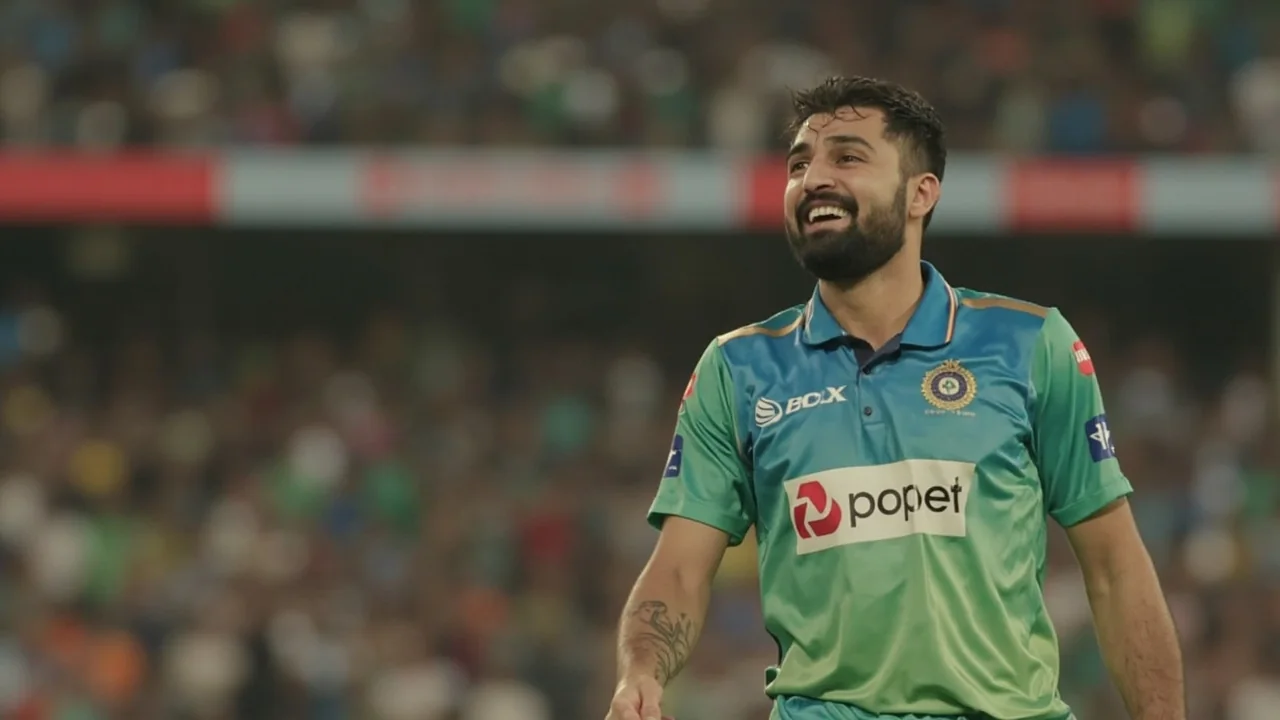
On the same day, Amir confirmed that he will appear in the PSL as an overseas player from the 2027 season. The PSL overseas-player pathway sits on a parallel track to the IPL one and uses different paperwork. Holding both commitments is allowed under each league’s rules because the PSL window and the IPL window do not overlap, and because the dual nationality does not, in itself, prevent Amir from representing a franchise in either country.
The PSL confirmation is the more solid of the two public signals. Amir named the role and the start date. The IPL signal is a posture, not a contract. That asymmetry is the editorial point of the day: every franchise that asks about him in the next auction cycle will be dealing with a player who has publicly committed to one league and publicly declined to commit to the other.
What this changes for fantasy readers in the short term
For fantasy users tracking the IPL auction cycle, the practical effect this week is small. No franchise has registered Amir, no bid has been lodged, and the next IPL auction window is not open. What the citizenship does is add a new entry to the watchlist, with three short flags to track:
- Registration at auction. A franchise must formally register Amir before bidding. Until that step, his availability is theoretical, not contractual.
- Role slot. A 34-year-old left-arm fast bowler returning to a T20 league after a year away from international cricket is most likely to be valued as a powerplay and death-overs specialist. The franchise slot he would occupy is narrow and contested.
- Workload ceiling. A bowler who retired from the international circuit partly to manage his body will be priced against the same workload signals every franchise applies to overseas fast bowlers in the second half of their career.
Until those three flags move, fantasy teams have no actionable change to make. The right move is to add him to the watchlist, not to a roster, and to re-check the auction cycle when the BCCI confirms the next window.
The editorial frame the desk is using
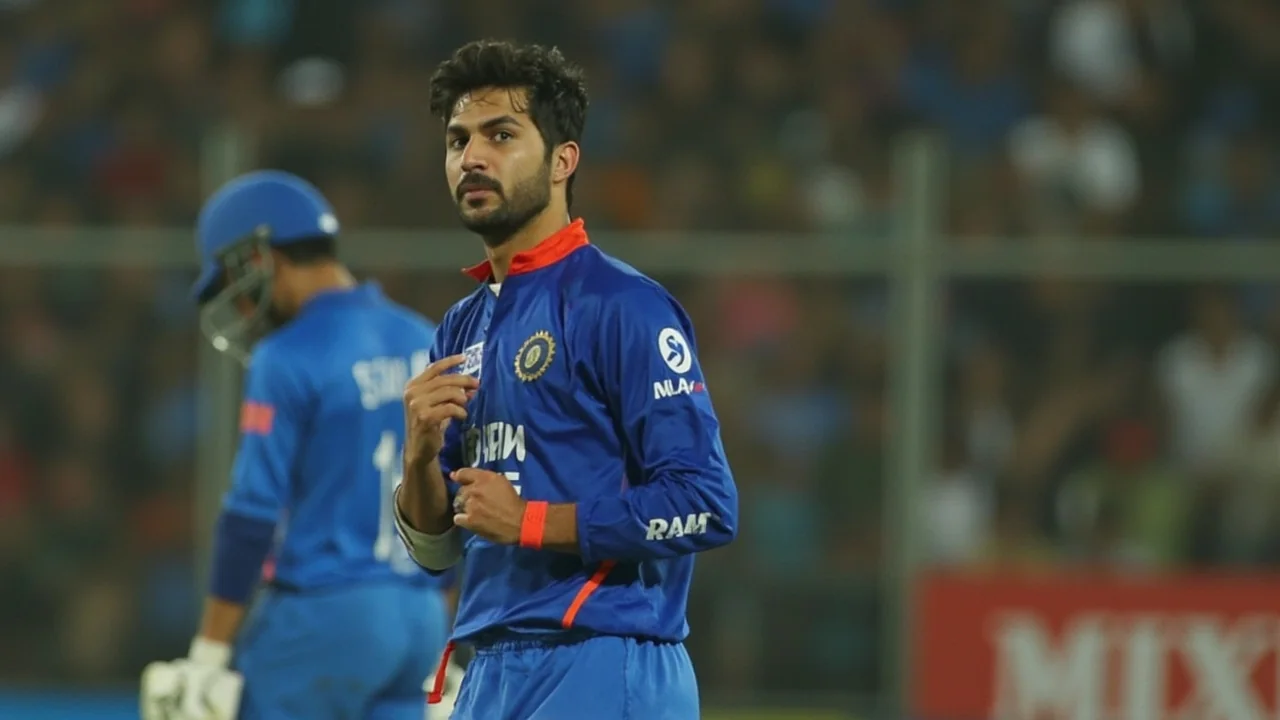
Three facts anchor the desk’s reading of the day. Amir is 34 and retired from international cricket after the 2024 T20 World Cup. He acquired British citizenship on 3 August 2026 through his wife Narjis Khan, a British national. He has confirmed he will play in the PSL as an overseas player from the 2027 season. Everything else, including any IPL franchise approach, remains unverified.
The desk’s standing rule on returnees applies: do not pay a premium on speculation, add the player to the watchlist, and re-rank only after a franchise registers him at the next auction window. The PSL confirmation is a more solid signal than the IPL posture because the PSL statement was made with a role and a start date. The IPL response was a posture. Both are valid signals. They are not the same kind of signal.
A short IPL eligibility primer for context
The IPL has historically separated its overseas-player pool by nationality, not by residence. The auction purse, the squad composition rules and the registration paperwork are all built around a player’s passport at the time of registration. A Pakistani passport has, under the existing framework, kept a player out of the auction pool. A British passport puts a player into a different bucket, alongside the rest of the Commonwealth and EU-eligible cricketers who already trade at auction each cycle.
That change is what made the citizenship story newsworthy in cricket terms. It is the kind of paperwork adjustment that quietly reshapes a player’s market access without changing anything about the bowler himself. Amir’s left-arm angle, his workload profile, his death-overs record, his age, his retirement from international cricket — none of those facts moved on 3 August 2026. What moved was the door the passport opened.
For readers who want the broader league frame, the IPL coverage desk maintains a working note on overseas-player eligibility, the auction cycle and the franchise registration steps. The note is dated and re-checked when the BCCI confirms the next auction window.
Why the “English franchise” part matters as much as the IPL part
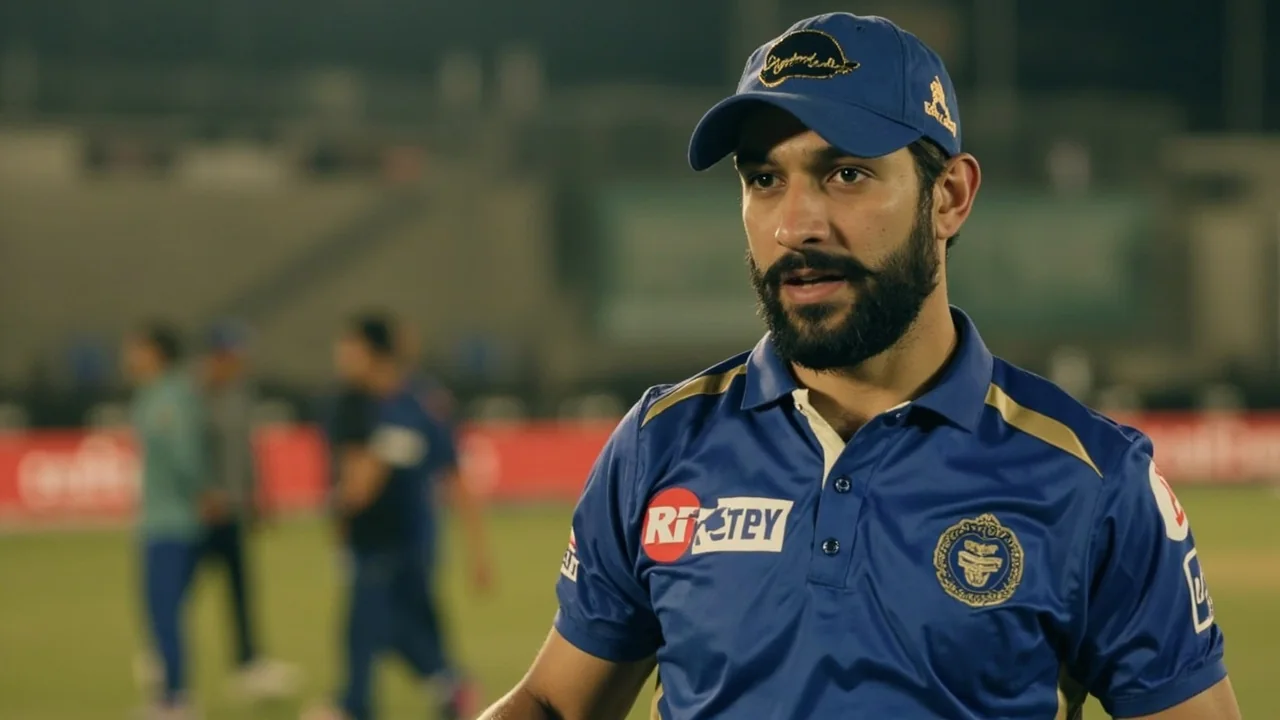
The British citizenship simultaneously opened the door to English domestic franchise cricket under the “domestic player” classification. That classification is the same one Amir has used at Trent Rockets in 2026 and at Notts Outlaws in the T20 Blast in earlier seasons. Two of England’s three short-form windows already have him on a roster, which means the IPL is the third of three doors the passport opened, and the third of three doors where the response is “wait and see.”
From a fantasy standpoint, the English windows are the more useful reference. The Hundred numbers and the T20 Blast numbers already exist, are publicly visible, and can be compared against any IPL franchise’s fit. The IPL numbers do not exist yet. Comparing the two and projecting the third is exactly the kind of forward inference the desk prefers to leave to the next data point.
What the desk will be watching next
The clearest next event is the IPL governing body’s confirmation of the next auction window. Once that window is named, the practical questions become specific: which franchise registers him, at what base price, and with what role designation. None of those answers are public as of 4 August 2026, and Amir’s own statement was carefully framed to avoid prejudging them.
The secondary watch is the PSL 2027 squad announcement. Amir has committed to appear in the PSL as an overseas player from 2027. If a PSL franchise lists him on the 2027 pre-tournament squad in the coming weeks, that registration will be the first concrete proof that the dual-league path is genuinely under way. The desk will note the date and the franchise when it is published.
A reader’s note on what is and is not confirmed
This piece draws only on what Amir said in public and on the verified citizenship change that made the question real. It does not include any franchise interest that has not been officially confirmed, any auction registration that has not been officially lodged, or any role assignment that has not been published. The reason for that restraint is simple: at the moment of writing, the most honest answer to the question in the headline is the one Amir himself gave. He does not yet know. Neither does the desk. The next verified event will move one of those two “don’t knows” forward, and we will update this brief when it does.
For fantasy readers building teams today, the practical guidance is unchanged from the desk’s standing advice on returnees: keep him on the watchlist, do not pay an auction premium on speculation, and re-check the role board once a franchise registers him. The British passport was the trigger event; it is not yet the contract.
For readers who follow the IPL around the calendar, the quieter takeaway is also worth noting. The league’s eligibility rules are nationality-based, not residence-based. A change in paperwork can change a player’s market access without changing anything about the player himself. Amir is the same bowler he was on 2 August 2026. What changed was the door that opened on 3 August 2026 and the response he chose to give on 4 August 2026. Both are worth tracking. Neither is yet a contract.