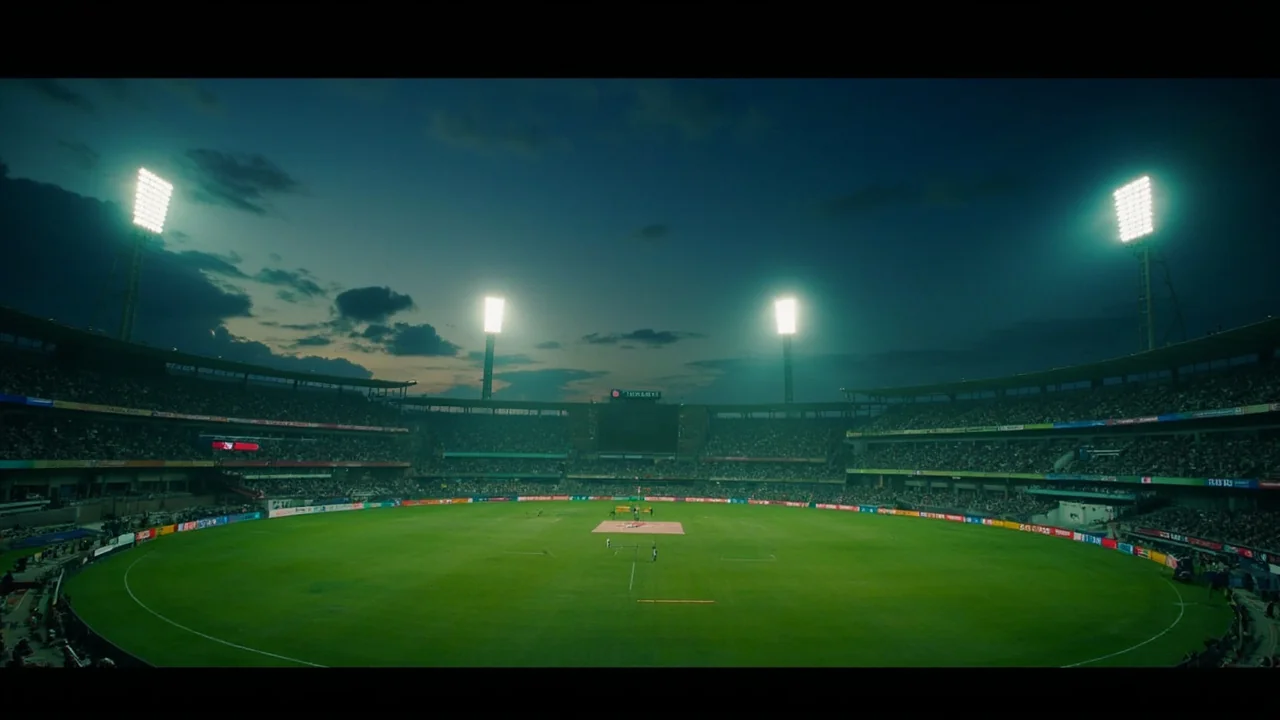
The Indian Premier League is the most-watched T20 league in the world, and the most-researched fantasy surface. The desk’s IPL coverage is organised by fixtures, venues, role themes and team profiles, with each piece dated and re-checked when an underlying fact changes.
IPL fixtures, organised
We publish the IPL fixture list in three buckets: opening week, middle phase, and playoff phase. Each fixture links to a match desk where the venue notebook, probable XIs and role flags are tracked. We do not publish a “today’s match” prediction; we publish the frame the desk would use to make one.
Venue notebook for IPL 2026
Below is the desk’s high-level venue notebook for the IPL’s 10 regular venues. Each row is a flag, not a recommendation; the full venue notebook is updated before every match at that venue.
IPL 2026 venue flags
Pre-season · updated match-by-match| Venue | First-innings | Dew factor | Boundary size | Recent note |
|---|---|---|---|---|
| Wankhede | 178 | High | Mid | Chase advantage confirmed |
| Chinnaswamy | 194 | Medium | Small | High-scoring; spinners struggle |
| Eden Gardens | 172 | Medium | Mid | Spinners tighten middle overs |
| Narendra Modi | 167 | Low | Large | Two-paced; new ball dominates |
| Arun Jaitley | 175 | Low–medium | Mid | Even contest |
| MA Chidambaram | 165 | Low | Mid | Spinners dominate; batting hard after powerplay |
| Rajiv Gandhi | 181 | Medium | Mid | Batting-friendly; powerplay matters |
| PCA Stadium | 170 | Low | Mid | Pace-friendly |
| Holkar | 176 | Medium | Mid | Balanced |
| Green Park | 172 | Medium | Mid | Balanced |
Team profiles
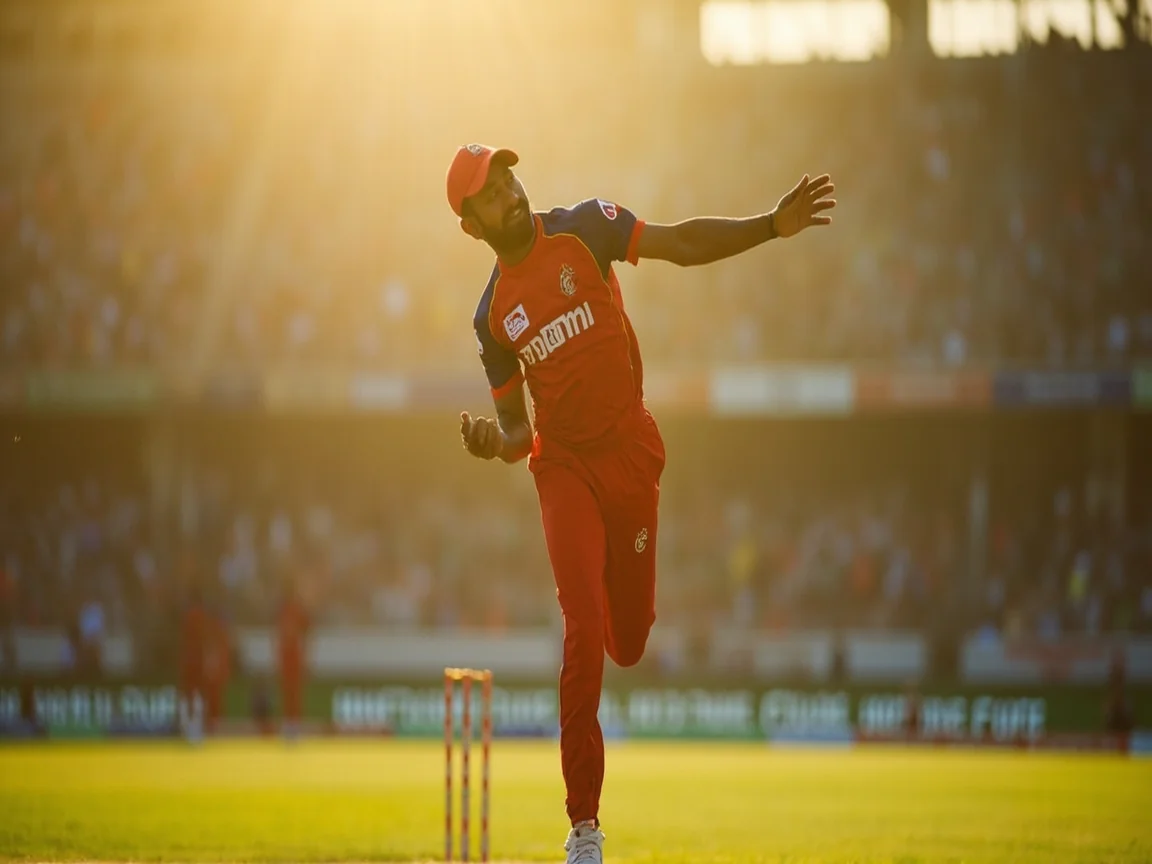
Each IPL team gets a role board: openers, anchors, finishers, powerplay bowlers, middle-overs spinners, death bowlers. The board is updated when a player’s role changes mid-season. Profiles are deliberately short — a one-page brief, not a season-long dossier.
Why one page per team?
A short brief is more useful than a long one. Most of the season’s research is on the match desk, not the team profile. The team profile exists to flag role changes and confirm the squad.
How often are team profiles updated?
When a role changes, when a player is traded, when an injury is confirmed. The date stamp on each profile tells you when it was last edited.
Do you publish a season-long prediction?
No. The desk publishes the frame, not the prediction. Season-long predictions are marketing artefacts and not the desk’s job.
Tactical themes for IPL 2026
Three themes are worth tracking across the season. First, the impact-player rule and how teams use it: most teams now name a bowling all-rounder as the impact player on slower surfaces, a batting all-rounder on batting surfaces. Second, the rise of middle-overs spin: the data shows wickets in overs 7–15 are worth more than the same wicket in the powerplay, because they slow the run rate more meaningfully. Third, the death-overs economy spread: the gap between the best and worst death-overs bowler is wide, and the gap is consistent across venues.
A phase-by-phase strategy
The IPL has three distinct phases: opening week (squads are settling), middle phase (combinations are locked in), playoff phase (role changes are common). The desk recommends different captain frames for each phase. In the opening week, defend floor (unknown combinations reward stable roles). In the middle phase, chase ceiling (combinations are stable enough to project). In the playoff phase, watch role changes carefully; the captain frame shifts more often.
A venue-by-venue playbook
Each IPL venue has a personality. Wankhede rewards powerplay aggression and a chase advantage; Chinnaswamy rewards batting depth and power; Eden Gardens rewards middle-overs spin; Narendra Modi rewards new-ball bowling and patience. A venue-by-venue playbook is the fastest way to translate the venue notebook into a captain frame. Build yours match-by-match.
Role stability across the IPL
IPL teams change roles more often than bilateral-series teams. The impact-player rule, the all-rounder depth chart, the captain’s preference — all shift role assignments across a season. The desk recommends re-checking role stability every 4–5 matches rather than trusting the start-of-season role board.

Opener rotation in the IPL
Opener rotation is common in the IPL, especially in the opening week when squads are settling. The desk tracks opener rotation on the team profile; a team that rotates openers two matches in a row is usually searching for a combination, and the role stability is low. A team that has held the same opener combination for 5+ matches has high role stability and a more predictable role board.
A playoff-phase captain frame
In the playoff phase, role changes are common and the captain frame must adapt faster than in the league phase. The desk recommends a captain frame that rewards role stability over role ceiling: in playoffs, the variance is high and the floor matters more. A captain with a stable role and a moderate ceiling is usually safer than a captain with a flashy role and a high ceiling. Re-check the role board before each playoff match; do not trust the league-phase role board.
When to skip the IPL
Not every IPL season is worth playing. If your responsible-play budget is constrained, the desk recommends skipping the opening week (squads are unsettled) and the playoff phase (role changes are common), and playing only the middle phase (combinations are stable). A partial season with a stable frame is usually more profitable than a full season with an unstable frame. The choice is yours; the desk’s job is to publish the option.
A three-month window for IPL research
The IPL is a 2-month tournament with a 1-month pre-season. A research window of 3 months gives you venue notebooks for the regular venues, role boards for the main squads, and captain frames calibrated to your contest size. The desk recommends starting IPL research 4–6 weeks before the season; the first 2–3 weeks of the season are research time, not earning time. After week 4, the role boards are stable enough to project captaincy.
An IPL recap
The IPL is the most-watched T20 league in the world and the most-researched fantasy surface. The desk’s coverage is organised by fixtures, venues, role notes, team profiles and tactical themes. Each piece is dated and re-checked when an underlying fact changes. A reader who uses the desk’s coverage plus their own contest experience builds a sharper frame than a reader who relies on paid tip sheets.
Questions readers ask
When does the IPL 2026 season start?
The IPL 2026 season typically begins in late March and runs through late May. Exact dates are announced by the BCCI closer to the season; confirm before building any fixture-led research.
Is the impact-player rule changing?
The rule has been discussed in pre-season. Always confirm the operator’s rules for the contest you are entering; the impact-player rule affects how you build your lineup.
Do you cover overseas player availability?
Yes — overseas player availability is one of the single biggest inputs to the role board. We track confirmed availability, role and recent form on the relevant team profile.
IPL coverage cadence and how the desk re-checks the IPL hub
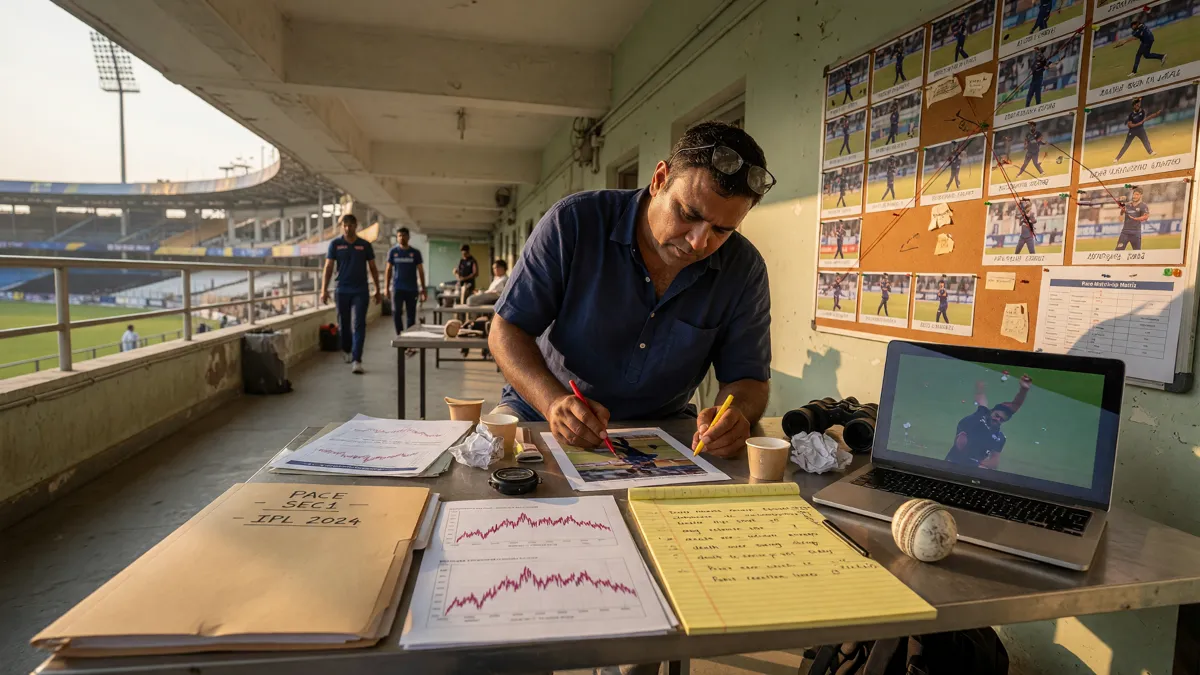
The desk re-checks the IPL Coverage hub once per match day during the IPL season, and once per week in the off-season. The re-check has three parts: every score cited is verified against the operator’s own published data; every captain frame is updated for the next match; every team page has its squad status re-verified against the IPL governing body’s published list. The hub carries a “last verified” date on every section; the date is the desk’s most honest signal that the section is current.
Outside the IPL season, the desk maintains the hub in a quiet state: the schedules and the venues are kept current, the historical coverage is preserved and the captain frame is published as a methodology note rather than a per-match pick. The off-season hub does not pretend to carry live picks; it carries the framework a reader can use to build a team when the next season opens.
Reader follow-up
The IPL hub is also the desk’s busiest publishing window. During the season, the desk publishes a per-match match prediction post, a per-match Today’s Team decision tree, and a per-match captain frame. The cadence is documented on the Editorial Standards page: one match prediction post per match, one Today’s Team post per match, and one captain frame per match. The desk does not publish multiple match predictions for the same match; the desk does not publish back-to-back captain frames for the same match.
How often is the IPL hub updated?
Match-day re-checks during the IPL season, weekly re-checks in the off-season. The date on every section is the desk’s most honest signal.
Does the desk cover every IPL match?
The desk covers every match in the IPL season that the desk’s schedule allows. The desk does not fabricate coverage for matches the desk has not reviewed.
Where do the team squads come from?
The IPL governing body’s published squad list, mirrored on the Teams hub. The desk re-verifies the squad on the day of every match.
Can I request a player profile?
The desk covers players who have appeared in at least 5 matches in the current season. Use the contact page; the desk reviews profile requests on a weekly cadence.
News brief filed under IPL coverage
Short, dated notes on the questions readers are asking this week. Updated when the underlying fact changes, and re-checked on the next publishing cycle.
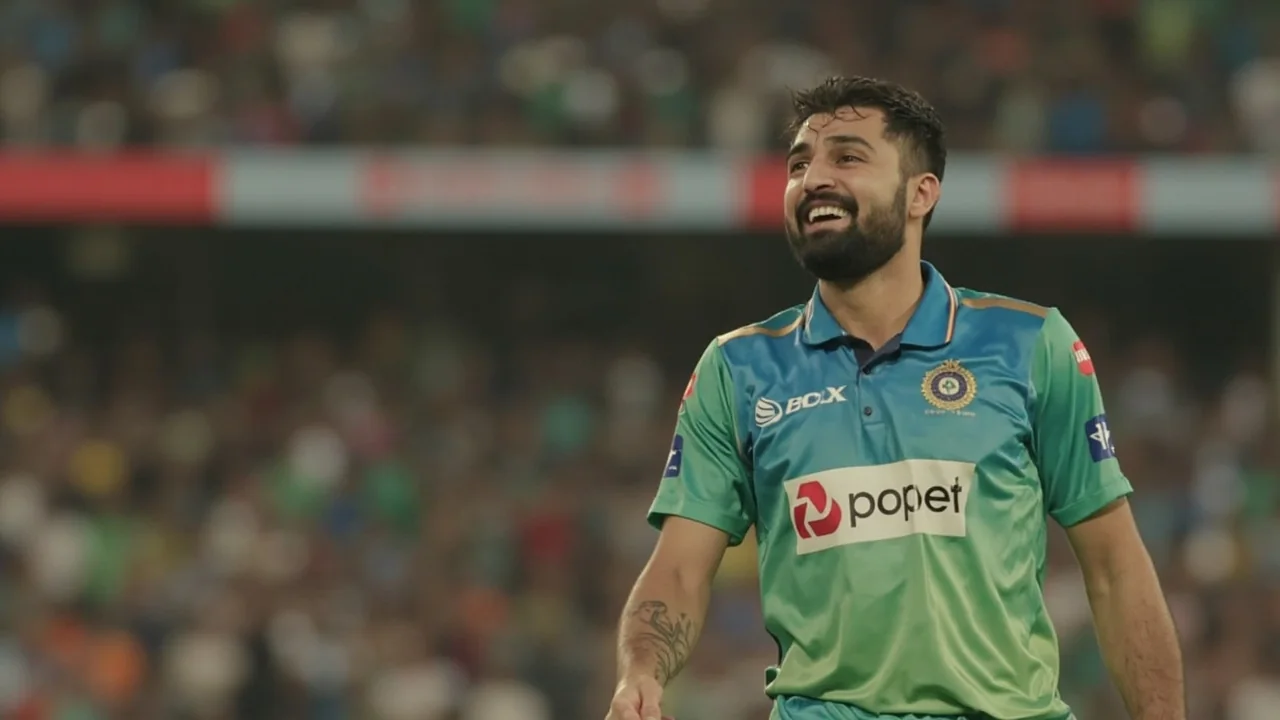 IPL News
Will Mohammad Amir Play IPL? He Finally Responds
Mohammad Amir says he does not yet know whether he will play in the IPL after acquiring British citizenship on 3 August 2026 through his wife Narjis Khan, while confirming a PSL overseas-player role from the 2027 season.
Read the news brief →Open the editorial app entry
Verify the current offer in your own account, then play only what you can afford to lose.