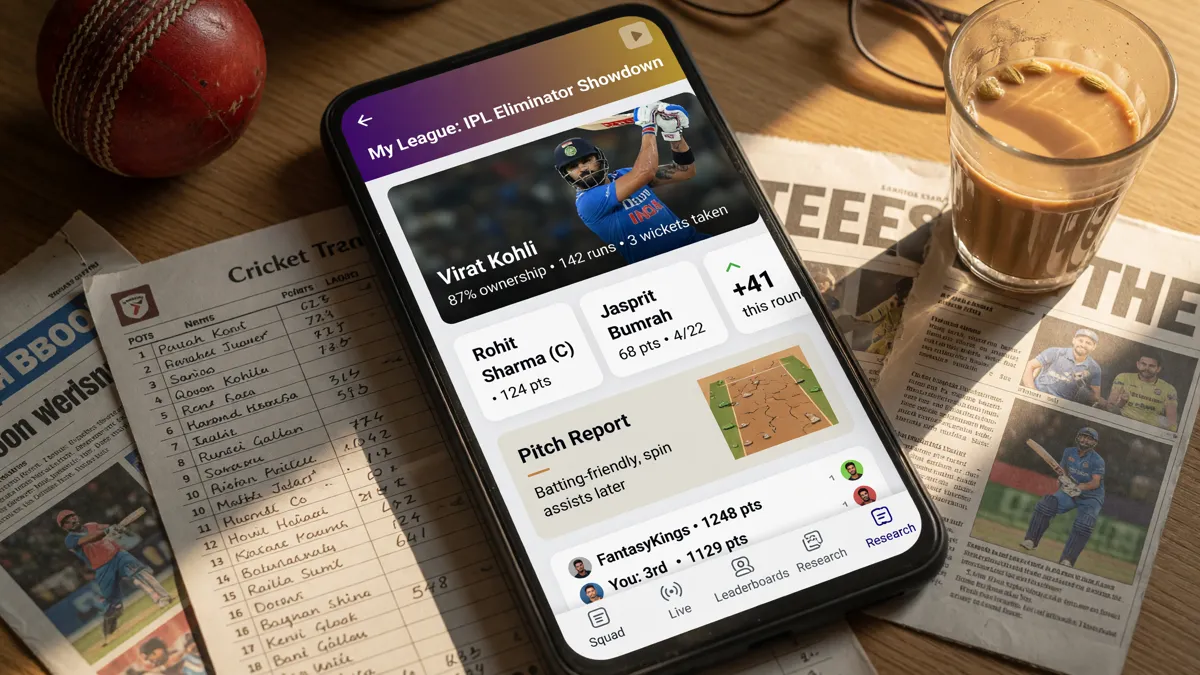
This is the desk’s canonical first-party route to the operator app. Every persistent mobile CTA on this site resolves to /go/. When you arrive here directly, you get one screen of editorial context before the handoff. When you arrive with the ?exit=1 signal, the in-house collector captures the click and 302s to the operator. The two flows live at the same URL — the query decides which one runs.
What this route is, and what it isn’t
This URL is a desk-owned editorial route, not an operator URL. The PLAY NOW control on this page is a first-party affiliate handoff to the operator’s own app entry. The operator’s own terms page is the source of truth for the offer you see; the desk never edits the operator’s offer and never claims to. The About page and the Editorial Standards page set out the principles the desk applies to every commercial CTA on every guide.
Why a page, not a blind redirect
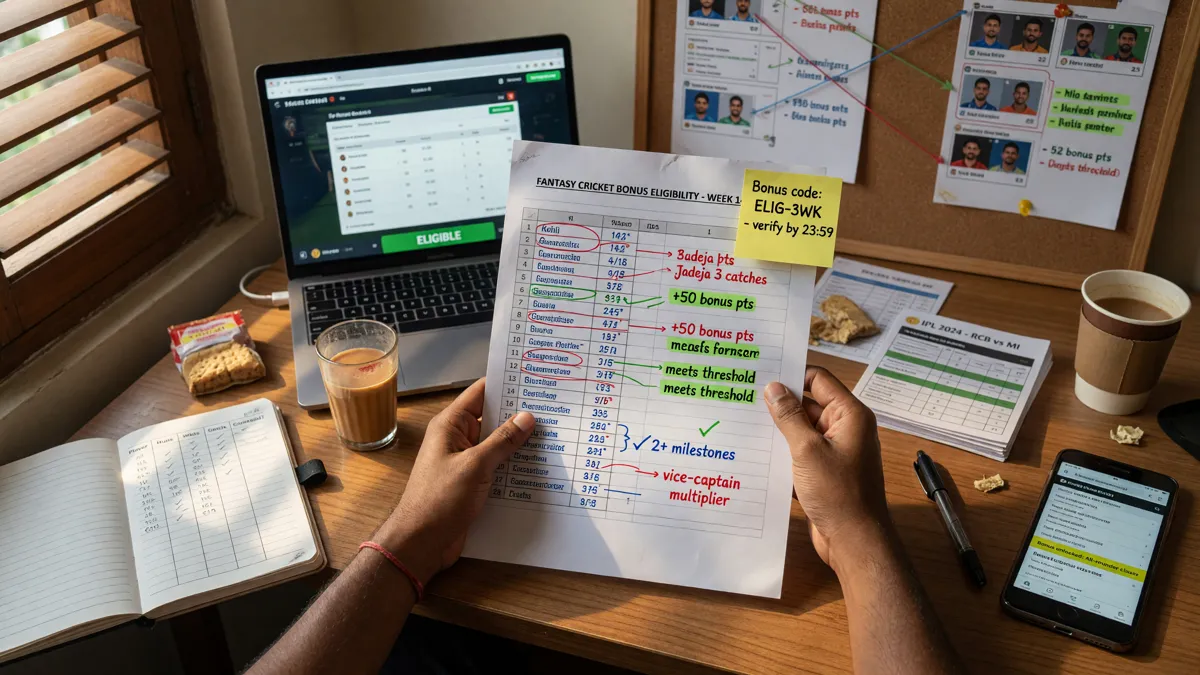
A blind 301 to the operator is the cheap path. The desk’s view is that an editorial reader deserves one screen of context between a research guide and a real-money entry point. The operator’s offer, the eligibility rules and the verification steps do not change because you read a research guide first; but the desk’s editorial independence means we never claim otherwise. What you see below is the same five checks the desk uses when it reviews an operator for the Independent Review.
Check 1 — Confirm your state is eligible
Fantasy cricket is a game of skill under Indian law, but state rules vary. Some states permit paid contests with no restriction; some prohibit them entirely; a few fall in between. The operator’s terms page lists the currently permitted states and the states it has geo-restricted. Confirm your state is on the permitted list before you sign up, not after you deposit.
If you travel, your state is your state of permanent residence for the operator’s purposes, not the state you happen to be in when you sign in. The desk’s Legal Status page walks through the Public Gambling Act, 1967 and the state-by-state picture, including the MeitY framework and the PROG Act context. The page is dated and source-named; check the date before you rely on it.
Check 2 — Confirm you are 18 or older
The operator runs an age gate at sign-up. The age gate is a regulatory requirement, not a marketing line. If you are under 18, do not attempt to bypass it; the operator is required to verify age, lock accounts that fail the check and forfeit balances. Free-to-play research contests exist for adults; they are not a substitute for adult play and they are not open to minors.
The desk recommends a calm, factual conversation if there is a young reader in your household who is interested in cricket analysis. The captain frame and the scoring workbook on this site are research-led, not entry-led, and they can be read alongside a young reader without crossing the adult, real-money line.
Check 3 — Have your KYC documents ready
The operator will request KYC documents at first withdrawal, not at sign-up. Have your PAN, Aadhaar, a cancelled cheque or recent bank statement and a clear photograph ready. The KYC process is what unlocks withdrawals above the small-balance threshold; if it stalls, deposits and contest entries continue but withdrawals are paused. The desk’s Wallet & KYC guide walks through the documents, the timing and the common rejection reasons.
A small practical step: keep your bank-account name exactly as it appears on your PAN. Mismatches between the bank name and the PAN name are the single most common KYC hold. A penny-drop test (a tiny test deposit of ≤ ₹1 from the operator to your bank) confirms the bank account is active and in your name; use it if the operator offers it.
Check 4 — Verify the current offer in your own account
Affiliate outbound links are first-party — the commission does not change the operator’s offer to you — but the operator’s headline offer changes weekly, sometimes daily. The desk does not publish a current offer because the offer is current for one week, then stale. The reliable check is the operator’s own “Offers” or “Promotions” screen inside the app, after sign-in, on the day you intend to enter a contest.
The desk’s view on bonuses: read the wagering requirement, the expiry window and the eligible-contest list before you accept. The Bonus Code guide has a worked walkthrough of the terms most operators publish, including the traps the desk has seen (withdrawal caps, contest restrictions, time-bound wagering).
Check 5 — Pick the payment route that matches your withdrawal plan
Deposit and withdrawal routes are not always symmetric. UPI is fast for deposits and usually fast for withdrawals. Netbanking is reliable for deposits and slower for withdrawals. Wallets are convenient and usually have a balance cap. The operator’s deposit screen lists the available routes; the withdrawal screen lists the available destinations. Pick the route you intend to withdraw to before you deposit — reversing this later is one of the most common reasons a withdrawal stalls.
The Withdrawal Guide has the documented timelines, the TDS treatment (30% plus surcharge and cess on single-contest winnings above ₹10,000) and the failure modes the desk has catalogued from public reports. The guide is dated; the timelines are typical, not promised — verify in your own account-level experience.
What tapping through actually does
When you tap the PLAY NOW control on this page, your browser requests /go/?exit=1. The desk’s nginx configuration detects the exit signal, returns a 418 to the in-house collector, and the collector 302s you to the operator. The desk’s affiliate tracking fires once on that hop. The operator credits the desk’s account with a small commission if you sign up and deposit within the operator’s attribution window (usually 30 days). The commission is paid by the operator, not by you; the offer you see in the app is the same offer a non-affiliate reader sees.
Two flows, one URL
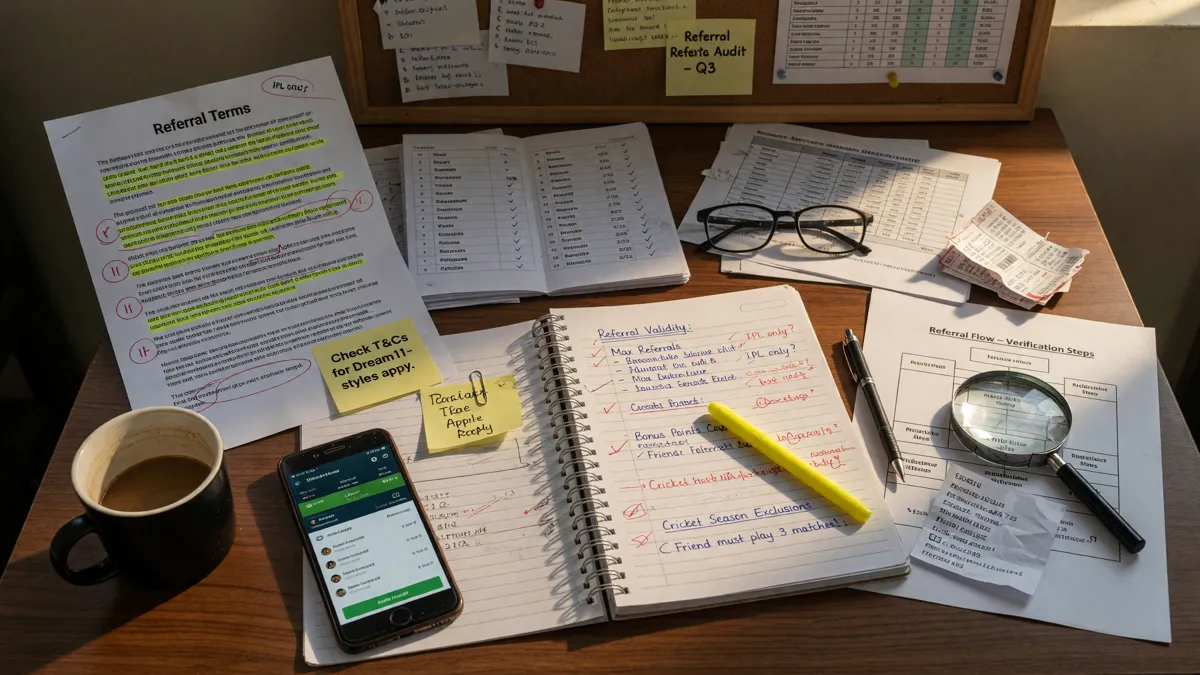
This route handles two distinct reader intents on the same URL. A direct visit (no query string) lands here, on this pre-flight page, where you can read the context the desk publishes. A tap on a CTA that carries the ?exit=1 signal (the sticky mobile bar, the PLAY NOW controls on the operator guide, the header chip) skips the pre-flight and goes through the in-house collector directly. The two flows are not in conflict; they are the editorial and the commercial halves of the same handoff.
A responsible-play reminder
Fantasy cricket is a paid contest skill game where permitted. The desk’s position is unchanged across every guide: play only if you are 18+, located in a permitted state and able to absorb the loss. Deposit limits, self-exclusion and state helplines are catalogued on the Responsible Play page. If you need support, contact the operator directly through the verified customer-care route on the Customer Care page or call a state helpline. The desk does not run support.
If you cannot deposit or sign up
The most common reason is state-based geo-restriction: the operator has detected an ineligible state and blocked sign-up. The second most common is an age-gate trigger. The third is a duplicate-account hold against the same PAN or mobile. The Login Help page covers the recovery flow for locked accounts, including the verified customer-care escalation path.
If you change your mind
The desk’s Delete Account guide walks through the documented exit path — balance withdrawal, KYC closure, account deletion request. Operators honour deletion requests inside a defined window (usually 7–15 days). The desk publishes a verified customer-care route on the Customer Care page; verified escalations are recorded in the open correction log on the Editorial Standards page.
What the desk checks later
The desk re-verifies the operator’s verification matrix at least once per quarter. The matrix date is the desk’s most honest signal; if a reader sees an old date, they should treat the matrix as a starting frame, not as current evidence. The Independent Review page is the canonical place to check the matrix; this pre-flight page is a checklist, not a verification matrix.
Questions readers ask before tapping through
Is this an editorial route or an operator route?
This page is an editorial route owned by the desk. The PLAY NOW control is a first-party affiliate handoff to the operator’s own app entry. The operator’s own terms page is the source of truth for the offer you see.
Why does the same URL serve two different flows?
Direct visits land on this pre-flight page so you have the five checks before the tap-through. CTA taps carry the ?exit=1 signal and skip the pre-flight, going straight through the in-house collector to the operator. The two flows share one canonical URL because every persistent CTA on the site targets it.
Does the desk earn a commission?
Yes, if you sign up and deposit within the operator’s attribution window. The commission is paid by the operator; the offer you see in the app is the same offer a non-affiliate reader sees. The commission never influences the desk’s editorial conclusions.
Can I sign up without the desk’s link?
Yes. The operator’s app is available from the official app store. The desk’s link is a convenience and a disclosure mechanism; it is not the only way to reach the operator.
Will the desk publish a current bonus number?
No. Bonus numbers change weekly and the desk does not invent current offers. Verify the current offer in your own account on the day you intend to enter a contest.
What if the operator changes its permitted-state list?
The desk re-verifies the operator’s terms every quarter. The Legal Status page is dated and source-named; check the date before you rely on it. If your state changes eligibility, the operator’s own terms page is the source of truth.
Open the operator app entry
Verify the current offer in your own account, then play only what you can afford to lose.